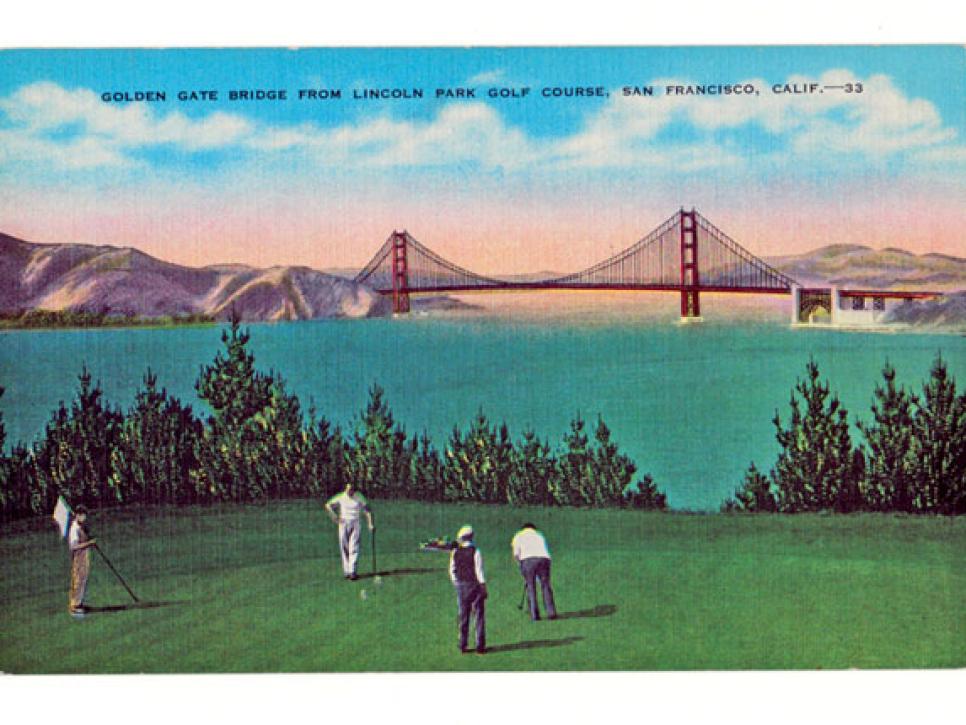
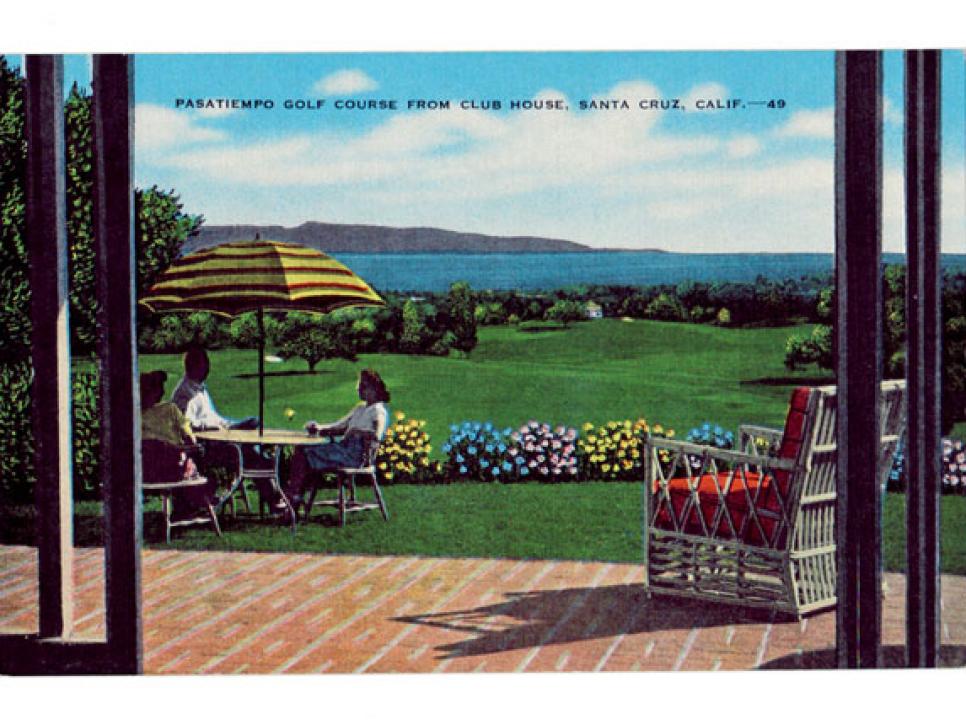
Special Deliveries By Geoff Shackelford November 08, 2012 Share story Facebook Twitter LinkedIn Shop This Look Powered By:Wayfair.com We may make 💰 from these links. The golf postcard was once an affordable, efficient way for golfers to share a place, a time or a memory. Grove Park Inn, Asheville, N.C. Carmel Beach from Pebble Beach Golf Links. Lincoln Park Golf Club, San Francisco. 13th hole of the Sea Island GC, Sea Island, Georgia. Mourne Mountains from Golf Links, Newcastle County Down, Northern Ireland Brooklawn Country Club, Bridgeport, CT. View of tower and putting green, Poland Spring House, South Poland, Me. Thunderbird G.C. near Palm Springs, Calif. Santa Barbara Country Club, Calif. Cypress Point Club, Pebble Beach, Calif. Pasatiempo Golf Course, Santa Cruz, Calif. Eleventh Green, No. 1 Course, Belleair, Florida. Augusta Country Club, Georgia. Hollywood Country Club Golf Course, Hollywood By-the-Sea, Florida. Griffith Park, Los Angeles, Calif. Humorous card, circa 1939. I.B.M. Country Club, Endicott, N.Y. UCLA, Los Angeles, Calif. Golf Links, Raymond Hotel, Pasadena, Calif. Golf at Southern Pines, N.C. (early 20th century) Share story Facebook Twitter LinkedIn We Recommend OnCore Golf releases new tour ball, the ELIXR Golf World Monday: The PGA Tour's new feeder system Nate Bargatze tells funny story about meeting Tiger Woods, honors the golf great in new comedy special New Bridgestone Tour B JGR line renews its focus on power for average golfers, but its tour players want some, too LIV Golf wastes little time throwing shade at PGA Tour following news of no-cut events J.R. Smith gets serious about golf (and school), Tiger Woods honors an important anniversary and a delivery man earns his PGA Tour card